
NEMA 14-50 Outlet vs. Hardwired EV Charger: Which Is Better in Anaheim?
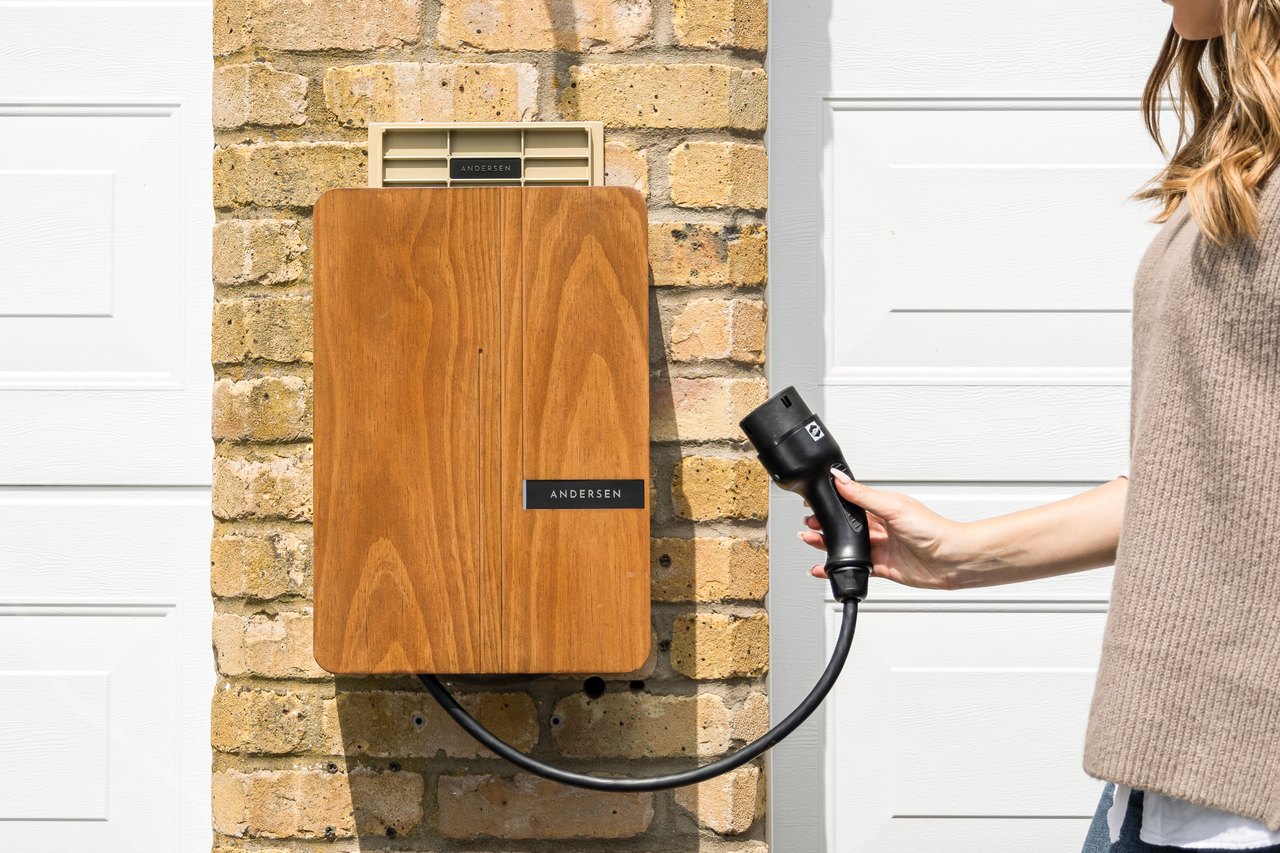
If you are setting up home charging for a new EV in Anaheim, you will quickly hit a fork in the road: should the charger plug into a NEMA 14-50 outlet or be hardwired directly to your electrical system? Both deliver fast Level 2 charging, both are common, and both are safe when installed correctly. The difference shows up in flexibility, charging speed, cost, and how the finished setup looks and behaves day to day. This guide compares a NEMA 14-50 outlet against a hardwired charger so you can decide which one actually fits your garage, your car, and your home's electrical panel.
What a NEMA 14-50 Outlet Charger Is
A NEMA 14-50 is a heavy-duty 240-volt outlet, the same style often used for electric ranges and RV hookups, into which you plug a Level 2 charger. Its appeal is flexibility: because the charger plugs in rather than being wired in place, you can unplug it, take it to a new house, or swap the unit without calling an electrician. According to ENERGY STAR, Level 2 equipment like this runs on a 240-volt circuit and adds roughly 10 to 20 miles of range per hour. A plug-in charger on a 14-50 is typically wired to a 40-amp circuit, which lets the charger draw up to 32 amps continuously, more than enough for overnight charging on most electric vehicles.
What a Hardwired EV Charger Is
A hardwired charger skips the outlet entirely: the unit is wired permanently to a dedicated circuit, with no plug in between. That direct connection is what allows hardwired units to run at higher amperage. Tesla notes its Wall Connector can deliver up to 11.5 kW at 48 amps, adding up to 44 miles of range per hour on a 60-amp circuit, a pace a plug-in 14-50 setup cannot match. Hardwiring also removes the plug and receptacle as potential failure points, which matters for a circuit that carries high current for hours at a stretch, and it leaves a cleaner, tamper-resistant install on the wall.
NEMA 14-50 vs Hardwired: The Real Differences
Neither option is universally better; they solve slightly different problems. Here is how the two stack up on the points that usually decide it.
- Charging speed: a 14-50 plug-in tops out around 32 amps, while a hardwired unit can run 48 amps or more for meaningfully faster charging.
- Flexibility: a plug-in charger can be unplugged and taken with you, whereas a hardwired unit stays with the house.
- Cost: a 14-50 outlet can be slightly cheaper up front when the run is short, while hardwiring adds a little labor but no receptacle to buy.
- Safety and code: high-amperage plug-in setups require GFCI protection and a quality receptacle, whereas hardwired units avoid the receptacle altogether.
- Appearance: hardwired installs look cleaner with no visible plug or cord reel, which many homeowners prefer in a visible garage.
Not sure whether to plug in or hardwire in your Anaheim home? We will look at your panel and your parking spot and recommend the setup that charges fastest for the least fuss.
Instant QuoteOne practical detail many Anaheim homeowners miss: a plug-in charger on a 14-50 is generally capped at 32 amps of continuous draw, while a hardwired charger on a 60-amp circuit can pull 48 amps. If you drive a lot or own an EV with a large battery, that gap can mean an extra 10 to 15 miles of range for every hour the car is plugged in, which adds up quickly for a long Orange County commute.
The Cost Picture and Incentives
On raw parts, the two options are closer than people expect: the charger is the same either way, and the difference is mostly a receptacle plus a little labor versus a direct connection. What really moves the total is the circuit run and whether your panel has room. Incentives help on both paths. California's DriveClean guide points to a federal tax credit worth 30 percent of hardware and installation, up to $1,000, for equipment placed in service through 2032, and it applies whether you plug in or hardwire. Because Anaheim is served largely by Anaheim Public Utilities rather than Southern California Edison, it is worth checking directly with the utility for any local charging rate or rebate before you buy.
What Either Install Involves
In both cases the heart of the job is the same: a licensed electrician runs a dedicated 240-volt circuit from your panel to the charging spot, sizes it to the charger's amperage, and confirms the panel has the capacity to carry it. For a plug-in setup they install and GFCI-protect a 14-50 receptacle; for a hardwired unit they land the conductors directly in the charger. Either way the circuit is permitted and inspected, and the visit itself is usually a matter of hours once the path from the panel is clear. If your panel is already full, that is the one variable that can turn a simple job into a larger one, which is exactly why a quick load calculation comes before any quote in Anaheim.
Which Is Better for Your Anaheim Home?
The right choice comes down to how you use the car and where the charger lives. If you rent, expect to move, or simply want the option to take the charger with you, a NEMA 14-50 gives you that freedom. If you own your home, drive high mileage, or want the fastest and cleanest permanent setup, hardwiring is usually worth the small extra effort. Location matters too: Anaheim summers are hot, and a charger mounted in a sun-exposed spot or outdoors benefits from the sturdier, sealed connection a hardwired install provides over an exposed outdoor receptacle that bakes all afternoon. Two-EV households lean toward hardwiring as well, since the faster amperage makes it easier to top off both cars in a single overnight charging window.
A Note for Anaheim Homeowners
One thing that sets Anaheim apart from most of Orange County is its utility: most of the city is served by Anaheim Public Utilities rather than Southern California Edison, so the EV rate plans and any charging incentives you qualify for come from Anaheim Public Utilities, not SCE. Whichever route you choose, the U.S. Department of Energy's Alternative Fuels Data Center stresses that the work should be done by a qualified electrician and that permits may be required from your local building authority, which in Anaheim means pulling a permit and passing inspection for the new circuit before the charger goes live.
NEMA 14-50 vs Hardwired: Common Questions
Is a hardwired EV charger faster than a NEMA 14-50 outlet?
Usually, yes. A plug-in charger on a NEMA 14-50 is generally limited to 32 amps of continuous draw, while a hardwired charger can run at 48 amps or more on a larger circuit. For a Tesla Wall Connector, that means up to 44 miles of range per hour when hardwired, faster than a 14-50 plug-in setup can deliver.
Can I take a NEMA 14-50 charger with me if I move?
That is the main advantage of the plug-in approach. Because the charger plugs into the outlet rather than being wired in, you can unplug it and bring it to a new home, then plug into another 14-50 there. A hardwired unit, by contrast, stays with the house when you sell.
Do both options need a permit in Anaheim?
Yes. Whether you install a 14-50 outlet or hardwire a charger, you are adding a dedicated 240-volt circuit, which requires an electrical permit and inspection. The Department of Energy also recommends using a qualified electrician for either job to keep the install safe and code-compliant.
Which is safer, a plug-in or a hardwired charger?
Both are safe when installed to code, but they manage risk differently. Plug-in 14-50 setups require GFCI protection and a high-quality receptacle rated for continuous load, while hardwired units remove the plug and receptacle entirely, eliminating a connection point that can loosen or overheat over years of daily charging.
Get Your EV Charger Installed in Anaheim
Plug-in or hardwired, our EVITP-certified team sizes the circuit, pulls the permit, and installs it right the first time.