
How to Future-Proof Your EV Charger Installation in Anaheim
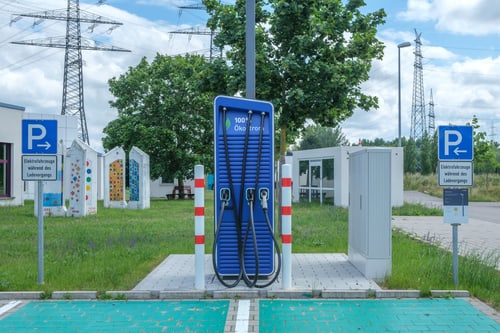
A new EV charger in an Anaheim garage usually gets sized for exactly one thing: the car sitting in the driveway today. That works until a second EV arrives, the next car charges faster than the last, or rooftop solar changes how the house uses power. Future-proofing your EV charger installation means spending a little more thought, and sometimes a little more copper, now so the wiring, circuit, and panel can carry what you will plug in over the next decade instead of only this month. The charger on the wall is the easy part to swap later; the circuit feeding it and the panel behind that are the expensive parts to redo. This guide walks through how to plan an Anaheim install that leaves room to grow, from circuit sizing to panel capacity, load management, and solar.
Future-Proofing at a Glance
- Future-proofing is mostly about the circuit and panel, not the charger box, because the charger itself is cheap and quick to swap later.
- A 60-amp circuit feeding a 48-amp charger leaves real headroom that a 40-amp circuit does not, for little extra cost at install time.
- Your electrical panel's spare capacity, not the charger model, usually decides what you can add in the years ahead.
- Running larger conduit or leaving a second raceway now makes adding a second EV charger far cheaper down the road.
- Load-management devices can let you add charging without a full panel upgrade on an older Anaheim home.
- Anaheim Public Utilities offers a rebate toward panel upgrades, which softens the cost of building in extra capacity.
What Future-Proofing an EV Charger Install Really Means
Future-proofing means building the parts you cannot easily change later with room to grow. The charger mounted on your garage wall is the simplest piece to replace; most units unplug or unwire in under an hour. The expensive, disruptive work is the dedicated 240-volt circuit running from your panel to the charger and the capacity of the panel itself. According to the U.S. Department of Energy's Alternative Fuels Data Center, EV charging is treated as a continuous load under the National Electrical Code, and a qualified electrician can add the circuits needed to reach Level 2 speeds. Sizing those circuits and that panel for where you are headed, rather than only where you are today, is the whole game.
Size the Circuit for the Charger You'll Want, Not the One in the Box
The single cheapest future-proofing move is running a larger circuit than today's charger strictly needs. Level 2 chargers run on a dedicated 240-volt circuit, and because the code counts charging as a continuous load, a circuit can only be loaded to 80 percent of its rating. A 40-amp circuit therefore tops out at a 32-amp charger, while a 60-amp circuit supports a 48-amp charger that adds roughly 11 miles of range per hour on a capable car. The wire and breaker for the larger circuit cost modestly more, but the labor to open the wall, pull a new run, and land it in the panel is nearly the same either way. Paying once for heavier copper beats paying twice when the next EV charges faster than your current one, which is why a forward-looking Level 2 charger installation is sized to the circuit you will want.
Your Electrical Panel Is the Real Limit
On most Anaheim homes, the electrical panel sets your ceiling long before the charger does. Many older houses in the Anaheim Colony Historic District and across West Anaheim still run 100-amp service, which can leave little headroom once an air conditioner, electric range, and EV charger all want to run on a summer evening. Newer homes in Anaheim Hills and around the Platinum Triangle more often have 200-amp panels with room to spare. An electrician performs a load calculation to see what your panel can safely carry; if it is tight, a panel upgrade or sub-panel creates the capacity for both today's charger and tomorrow's additions. Anaheim Public Utilities helps here: its Private EV Charger Rebate program treats upgrades needed to accommodate the charger as eligible costs and adds a separate rebate toward an electrical panel upgrade.
An Anaheim-specific tip: because Anaheim Public Utilities, not Southern California Edison, runs the local incentives, build your future-proofing budget around APU's own charger and panel-upgrade rebates, which are tied to a permitted and inspected install.
Plan Now for a Second EV
Two-EV households are increasingly common, and planning for the second car at the first install is far cheaper than retrofitting later. The low-cost step is physical: have your electrician run oversized conduit or leave a second raceway and open panel space while the wall is already open. Beyond that, some equipment is built to grow. Tesla's Wall Connector load sharing lets up to four units share a single circuit, so a second charger can be added later without pulling another expensive run back to the panel. If you expect a second EV, a Tesla Wall Connector installation wired with sharing in mind, or simply a stubbed-out second circuit, turns a future project into a quick add-on instead of a fresh excavation of your walls.
Load Management Can Save You a Panel Upgrade
If your panel is already full, a load-management system is often the key to adding charging without a costly service upgrade. These devices, also called energy management systems, watch the home's real-time draw and throttle the charger down when demand peaks, then let it charge fully when the house is quiet. Emporia notes that its load-management setup can eliminate the need for an electrical service upgrade by managing the charging rate based on real-time household demand, and that the approach meets the National Electrical Code's energy-management provisions in Article 625.42. For an older Anaheim home where a full panel upgrade is expensive, load management can be the difference between charging at home now and waiting months for a bigger service.
Charging and Rooftop Solar on Anaheim Homes
Anaheim's abundant sun makes rooftop solar a natural pairing with an EV, and a future-proofed charger leaves room for it. Solar and battery systems add load and connections to your panel, so an install sized only for today's charger can run short on busbar capacity when panels are added later. Leaving open panel space and choosing 200-amp service where practical keeps both options open. Pointing the charger's circuit and conduit toward where a future solar inverter or home battery would land also trims the later labor. And if you plan to charge mostly on your own daytime solar someday, a charger that supports scheduling and adjustable amperage lets you match charging to production without rewiring the garage.
Older vs. Newer Anaheim Homes: What Changes
The right future-proofing plan depends heavily on the house. A 1920s bungalow in the Anaheim Colony or a mid-century home in West Anaheim is more likely to have 100-amp service, older wiring, and a panel with few open slots, so the smart money goes toward a panel upgrade or load management that creates lasting headroom. A newer two-story in Anaheim Hills often already has a 200-amp panel and can absorb a generously sized circuit now at little extra cost. In both cases the mistake is the same: sizing everything to the first charger and the first car, then paying an electrician to come back and redo it. Anaheim's hot inland summers also mean your panel may already be working hard for air conditioning, which is one more reason to confirm real capacity before adding a continuous charging load. A quick load check from a local installer like Anaheim EV Charger settles what your home can carry today and what it will take to grow.
Common Questions About Future-Proofing an EV Charger
Is it worth running a 60-amp circuit if my current car only needs 32 amps?
Usually yes. The wire and breaker cost only modestly more, while the labor to open the wall and pull a new run is nearly identical. A 60-amp circuit supports a 48-amp charger, so you are covered when a faster-charging EV eventually replaces your current one, without paying for the install a second time.
Can I add a second EV charger later without a new circuit?
Often, yes. Equipment like Tesla's Wall Connector lets up to four units share one circuit, and load-management systems can balance several chargers on the capacity you already have. Running oversized conduit at the first install makes adding a second charger later even simpler and cheaper.
Will I need a panel upgrade to future-proof my charger in Anaheim?
It depends on your panel's spare capacity, which an electrician confirms with a load calculation. Older 100-amp homes often need an upgrade; newer 200-amp homes usually do not. If an upgrade is needed, Anaheim Public Utilities offers a rebate that offsets part of the cost.
Does future-proofing help if I add solar later?
Yes. Solar and battery systems consume panel space and capacity, so leaving headroom and choosing 200-amp service where practical keeps both an EV charger and a future solar system workable on the same panel without a second major rebuild.
Thinking a few years ahead with your charger? We size the circuit, panel, and conduit for where your Anaheim home is headed, not just the car in the driveway today.
Instant QuoteBuild Room to Grow Into Your Anaheim EV Charger
Our licensed, EVITP-certified local crew sizes your circuit, panel, and wiring for the EVs and solar you will add later, not just the car you drive today.