
Do You Need a Permit to Install an EV Charger in Anaheim?
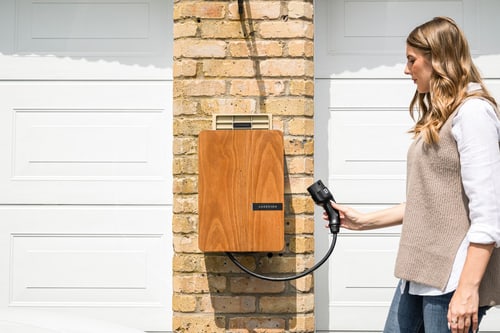
Picture a new EV in an Anaheim garage, a charger still in the box, and one question standing between you and your first overnight charge: do you need a permit to install an EV charger? In Anaheim, the short answer is usually yes. The city treats a home Level 2 charger as new electrical work, which means an electrical permit and an inspection before the unit ever powers on. The good news is that the process is faster and more worthwhile than most homeowners expect, especially once you factor in the local rebate it can unlock. Here is exactly when a permit is required, what the Anaheim process looks like, and how to get through it without slowing down your install.
The Short Version
- Anaheim requires a permit to install a Level 2, 240-volt EV charger at a home.
- A Level 1 charger plugged into an existing outlet needs no permit, but any new outlet or circuit does.
- The city requires an electrical permit and a final inspection before the charger is energized.
- Anaheim Public Utilities, not Southern California Edison, must also approve a residential Level 2 installation.
- California's AB 1236 requires Anaheim and Orange County to offer an expedited, streamlined EV permit process.
- The Anaheim Public Utilities rebate requires a permitted, inspected install, so pulling the permit pays off.
- A licensed installer pulls the permit for you, so the paperwork rarely lands on the homeowner.
Do You Actually Need a Permit for a Home EV Charger?
Yes, in nearly every case a home charger in Anaheim needs a permit. The city requires an electrical permit for Level 2 chargers, which run on a dedicated 240-volt circuit. That circuit is brand-new electrical work tied directly into your panel, so it has to be permitted and inspected like any other significant wiring job. The one common exception is a basic Level 1 setup: if you only plug a portable charger into an existing 120-volt outlet, no permit is needed. The moment a new outlet or circuit is added, though, permitting comes back into play. For most drivers who want real home charging speed, that points to a permitted Level 2 charger installation rather than a slow trickle from a wall outlet.
Why Does Anaheim Require an EV Charger Permit?
Permits exist because an EV charger is one of the largest continuous loads a house will ever carry. A Level 2 unit can pull high amperage for hours at a stretch, night after night, so the circuit, breaker, and wiring all have to be sized and installed correctly. The U.S. Department of Energy's Alternative Fuels Data Center notes that home charging installations must comply with local and state codes, points to National Electrical Code Article 625 for charging equipment, and warns that permits may be required from the local building authority. The permit and inspection are how Anaheim confirms your panel can actually handle the new load before it goes live, which is also why a panel check comes first on older homes that may need electrical panel upgrades for EV charging.
Level 1 or Level 2: Which One Changes the Answer?
The permit question is decided mostly by which charging level you install. A Level 1 charger uses a standard 120-volt household outlet and adds range slowly; if that outlet already exists, you can plug in without a permit. A Level 2 charger is the setup most Anaheim households actually want, because it charges several times faster on a 240-volt circuit, and that circuit is what triggers the permit and inspection. In practice, the only truly permit-free path is sticking with an existing outlet and a portable Level 1 cord, which rarely keeps up with daily driving around Anaheim Hills and the wider Orange County commute.
What Does the Anaheim Permit and Inspection Process Involve?
The process is straightforward once you know the steps. Anaheim issues the electrical permit online to licensed contractors, while homeowners pulling their own permit must do it in person. After the charger and its new 240-volt circuit are installed to code and sized to the unit's amperage, the city requires a final electrical inspection before the equipment is energized. On top of the building side, Anaheim Public Utilities approval is mandatory for a Level 2 installation, and the utility may need a meter check if your service has to be upgraded. The city's EV charger permit page lays out the permit, inspection, and utility-approval requirements in one place, so there are no surprises midway through the job.
Does the Anaheim Public Utilities Rebate Require a Permit?
Yes, and this is where pulling the permit pays for itself. Because Anaheim is served by Anaheim Public Utilities rather than Southern California Edison, the local charger rebate comes from the city's own utility. The Anaheim Public Utilities rebate program offers up to $1,000 for a Level 2 charger and $1,500 for a networked charger enrolled in a time-based rate, with eligible expenses that include installation and any electrical upgrades needed to support the charger. To claim it, the utility requires a copy of the Anaheim building permit card showing final sign-off. Skip the permit and you do not just risk a correction notice; you forfeit the rebate the permitted install would have earned.
One Anaheim-specific wrinkle: because the city's utility rebate reimburses installation and panel-upgrade costs but only pays out on a permitted, signed-off job, the permit is effectively what turns part of your install into money back. Factor that rebate in before deciding a charger is too expensive to do properly.
Is Anaheim's EV Permit Process Slow?
No, and state law is the reason. California's AB 1236 requires cities and counties to adopt an expedited, streamlined permitting process for electric vehicle charging stations, as the state's Governor's Office of Business and Economic Development explains, codified in Government Code Section 65850.7. Orange County adopted its own streamlining ordinance to match. For a typical single-family Anaheim home, that usually means a routine electrical permit rather than a drawn-out plan check, so the paperwork is rarely what holds up getting your charger online.
Should You Pull the Permit or Have an Installer Do It?
For most homeowners, letting a licensed contractor handle the permit is the easier and safer route. Anaheim lets contractors file the electrical permit online, so a professional install usually folds the permit, the code-compliant wiring, and the final inspection into one job without the owner setting foot at a counter. A licensed installer also knows how to size the circuit, document the work for the utility, and line up the rebate paperwork correctly. That matters most on a cleaner, permanent setup like a hardwired EV charger installation, where the wiring is landed directly in the unit and the inspection confirms it was done right.
What Happens If You Skip the Permit?
Installing an EV charger without a permit creates problems that outlast the convenience. Unpermitted electrical work tends to surface during a home sale or appraisal, where buyers and inspectors flag it and ask for it to be corrected or re-permitted after the fact. It can also complicate a homeowners insurance claim if a fault is ever traced back to the circuit. And because Anaheim ties its utility rebate to a signed-off permit, unpermitted work quietly gives up money you were otherwise entitled to. Most important of all, the inspection is a safety check on a high-current circuit that runs for hours at a time; skipping it removes the one independent confirmation that the charger was wired to code.
Where This Leaves an Anaheim Homeowner
The deciding factor is simple: if you are going past a basic plug-in Level 1 cord, Anaheim wants the work permitted and inspected, and there is no real upside to avoiding it. The permit is quick under state streamlining rules, it confirms your panel can carry the load safely, and it is the key that unlocks the Anaheim Public Utilities rebate. Treat it as part of the install, not an obstacle to it. When you are ready to size the circuit and get the permit handled, the local team at Anaheim EV Charger can manage the permit, Level 2 installation, and final inspection from start to finish, so the only thing left for you is to plug in.
Planning a home charger install in Anaheim? We pull the electrical permit, size the circuit, and schedule the inspection so you do not have to.
Instant QuoteGet Your Anaheim EV Charger Permitted and Installed
From the electrical permit to the final inspection, our licensed, EVITP-certified local crew handles the whole Anaheim install so your charger is ready to use and rebate-eligible.